Building vs Buying a House in Nigeria: Which Saves You More Money in 2026?

If you’ve ever thought about owning property in Nigeria, this question will come up sooner or later:
Should you buy a finished house or buy land and build from scratch?

₦8M Urgent Sale! 2 Units of 2 Bedroom Bungalow in Ijoko Ogun State

Half Plot of Land for Sale at Imole Ewa, Ota (Ashimolowo Street, Toll Gate Axis)
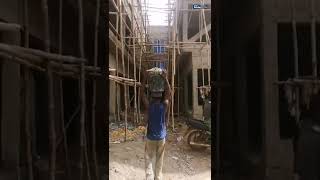
Looking to Build a Luxury Hotel in Lagos or Ogun State? See PrimeBuild in Action

ONLY ₦20M?! 4 Bedroom Flat + Mini Flat in Ijako Sugar, Sango Ogun. Urgent Sale!
It sounds simple, but once money starts getting involved, the decision becomes very real.
A Real-Life Scenario Most Nigerians Face
Let’s say you’re working in Lagos and you finally decide it’s time to own a house.
You check online and see a decent 3-bedroom in Ajah going for around ₦40M-₦50M. It’s clean, tiled, painted, everything looks ready. No stress, no waiting - just pay and move in.
At the same time, someone tells you:
“You can buy land in Mowe or Ibafo for ₦4M-₦8M and build your own house.”
Now you start thinking:
Am I about to overpay? Or am I about to stress myself?
Buying a Finished House: Easy but Expensive
Buying a finished house is straightforward.
You inspect it, confirm the documents, pay, and you’re done. For many people, that alone is worth the price.
There’s no dealing with artisans, no buying cement every week, and no worrying about supervision.
But that convenience has a cost.
When you buy a finished house, you’re not just paying for land and construction. You’re also paying for:
- Developer profit
- Risk coverage
- Time and project stress
That’s why a house that may have cost ₦30M to build could be selling for ₦45M or more.
You’re paying to avoid stress - and in Nigeria, that’s a big deal.
Building From Scratch: Cheaper or Just Riskier?
Now compare that to building from scratch.
You buy land first. Maybe ₦5M in Ogun, maybe more depending on location. Then you start building.
At first, it feels like you’re saving money because:
- You control the design
- You choose materials
- You build at your pace
But reality sets in quickly.
- Cement prices increase
- Steel prices fluctuate
- Labour costs rise
What you planned as ₦20M can easily become ₦30M+.
Then comes supervision.
If you’re not always on site, mistakes, delays, and overspending can happen.
The Hidden Truth Most People Ignore
Here’s where things get interesting.
Imagine this:
In 2018, someone built a 3-bedroom house in Mowe or Ibafo for about ₦10M.
Fast forward to 2026.
That same house now costs ₦35M-₦40M to build.
The house didn’t change.
The cost did.
Why Buying Can Be a Smart Financial Move
Now the owner wants to sell.
Typical scenarios:
- Urgent sale: ₦7M - ₦10M
- Normal sale: ₦18M - ₦22M
Now think like a smart buyer.
You inspect the house:
- Structure is solid
- No major issues
- Minor renovation: ₦1M-₦5M
It’s basically pay and move in.
Real Cost Comparison
If you buy at ₦20M:
- Building today: ₦35M-₦40M
- Your savings: ₦15M-₦20M+
That’s not small money.
That’s a major financial advantage.
The Real Question You Should Be Asking
Most people ask:
Is it cheaper to build or buy?
Wrong question.
The real question is:
Can you find a house cheaper than what it would cost to build today?
That’s where the real profit is.
Buying = Paying Yesterday’s Price
Buying a house today can mean something powerful:
You’re buying at yesterday’s construction cost in today’s expensive market.
You’re locking in value.
Not just buying property.
When Building Still Makes Sense
Building still has its place.
You should build if:
- You want a custom design
- You can’t find a good deal
- You have time to supervise
But understand this:
Building reflects today’s inflated cost.
Buying can reflect yesterday’s cheaper cost.
Location Matters a Lot
In Lagos:
- Land is expensive
- Building costs are high
- Buying is more common
In Ogun (Mowe, Ibafo, Shimawa):
- Land is cheaper
- More opportunities exist
- Smart buyers look for undervalued houses
Final Thoughts
Both options are valid.
- Buy if you want convenience and speed
- Build if you want control and customization
But smart investors focus on numbers.
Not emotions.
Conclusion
In today’s Nigerian property market, the difference between building and buying is not small.
It can be ₦10M, ₦20M, or even more.
So before you decide, compare:
- Real properties
- Real building costs
- Real opportunities
Because one good decision can save you years of financial stress.
Frequently Asked Questions
Is it cheaper to build or buy a house in Nigeria?
It depends on market conditions. In many cases today, buying an existing house is cheaper because you’re paying past construction costs instead of current inflated building costs.
How much does it cost to build a 3-bedroom house in Nigeria in 2026?
On average, building a standard 3-bedroom house in Nigeria in 2026 can cost between ₦30M and ₦45M depending on location, materials, and finishing level.
Why are old houses sometimes cheaper than building new ones?
Older houses were built when construction costs were lower. Sellers may also price them based on urgency or market demand, creating opportunities for buyers.
Is buying a house in Ogun State a good investment?
Yes, areas like Mowe, Ibafo, Sango Ota and Shimawa offer growing property value and lower entry costs compared to Lagos, making them attractive for buyers.
What is the biggest risk when building a house in Nigeria?
The biggest risks include cost inflation, poor supervision, project delays, and mismanagement of funds during construction.
Related tips and guides.